Public policy
Knowledge serving social inclusion.
Open knowledge
Books, articles, theses and videos to share.
Social inclusion
Care in place of stigma and criminalization.
Dialogue
Conversation circles connecting different forms of knowledge.
Questions about the Observatory.
An introduction to its work and official channels.
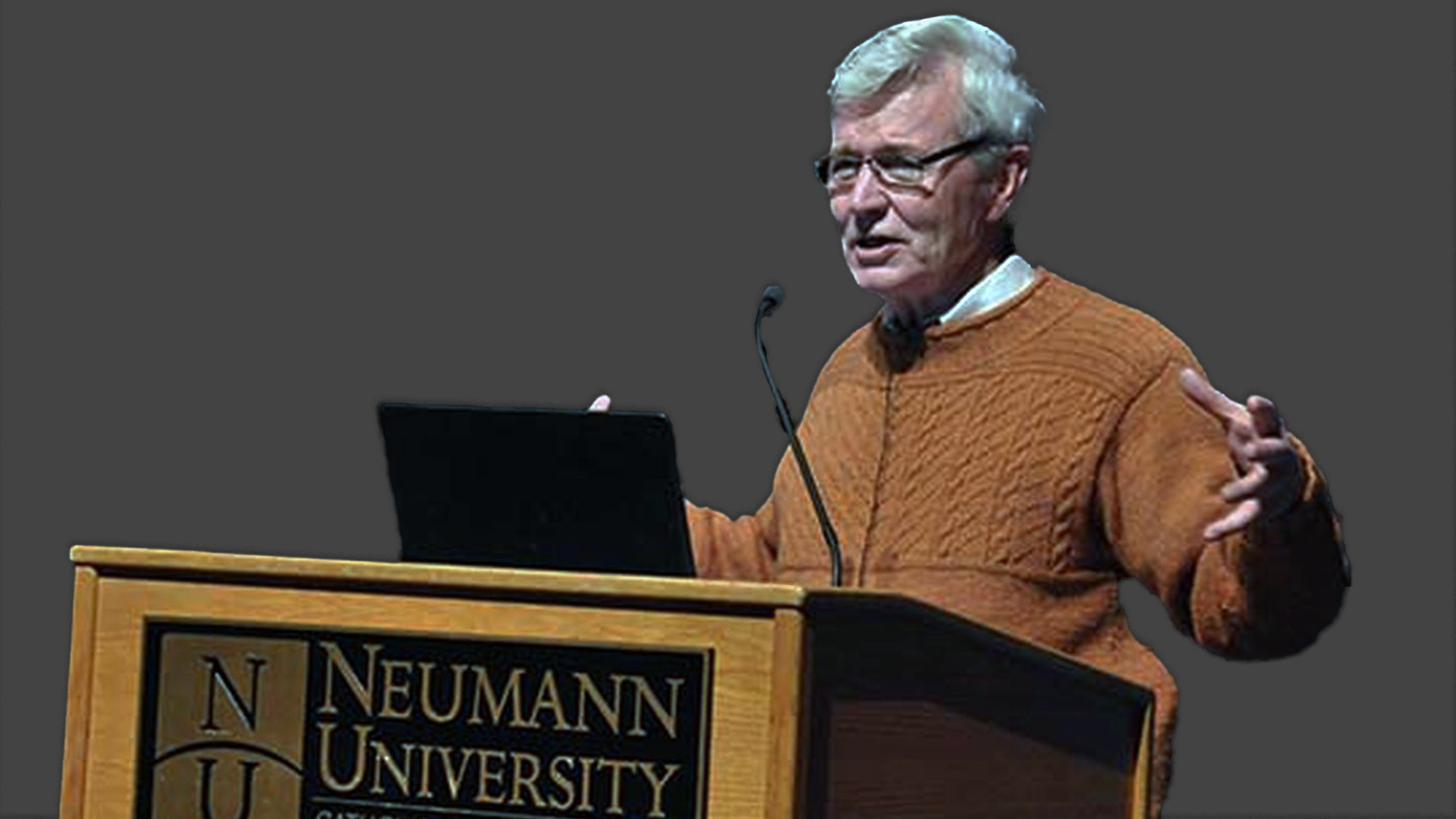
The Bruce K. Alexander Addictions Observatory is an institution dedicated to encouraging the implementation of public policies that advance social inclusion, generating and sharing information of interest to all of us, and welcoming people in situations of social vulnerability, regardless of their socioeconomic or cultural background. Our ethics can be summarized as follows: “Systems need to adapt to people, not people to systems.”
It is grounded in the ethics of Bruce K. Alexander and Paulo Freire, in the pursuit of each person's agency and autonomy. Each of us should decide when, how and what to do in our own lives, provided that it does not directly affect another person's life without their consent.
We work from the perspective that each of us must have the autonomy to decide what to do with ourselves; therefore, for us, an addict is someone who has added something to their life and cannot subtract it without the help of third parties. Sigmund Freud, the mentor of all psychology, according to the book Freud and Cocaine, published by Espaço e Tempo, in which Anna Freud (his daughter) took part, snorted cocaine every morning upon waking for many years and died as a result of the cancer he had in his mouth due to the habit of smoking cigars.
For now, it offers only body-based psychotherapeutic support (in person or virtual), whether individual, in a group or with family, as well as supervision for the professionals who seek us out.
Yes. For several years, we have held a VIRTUAL conversation circle every Monday (the Papo de 2ª), from 8:00 p.m. to 10:00 p.m. This conversation circle is recorded and posted on our YouTube channel. We intend to begin, in 2027, courses on specific topics for mental health professionals.
Yes. Books, theses, videos and other content are available here on the website with completely open access.
Want to talk to the team?
Use the contact page or official WhatsApp.
Blog
Recent reading to keep the conversation going.
The six most recent posts from the Bruce K. Alexander Addictions Observatory, organised so you can follow the subject that makes sense to you.
Knowledge in motion
Explore ideas connecting research and inclusion.
The collection brings together studies, publications and conversations on addiction, human rights, care and collective life.
Rat ParkLibraryMonday TalksSocial inclusion
Meet the Observatory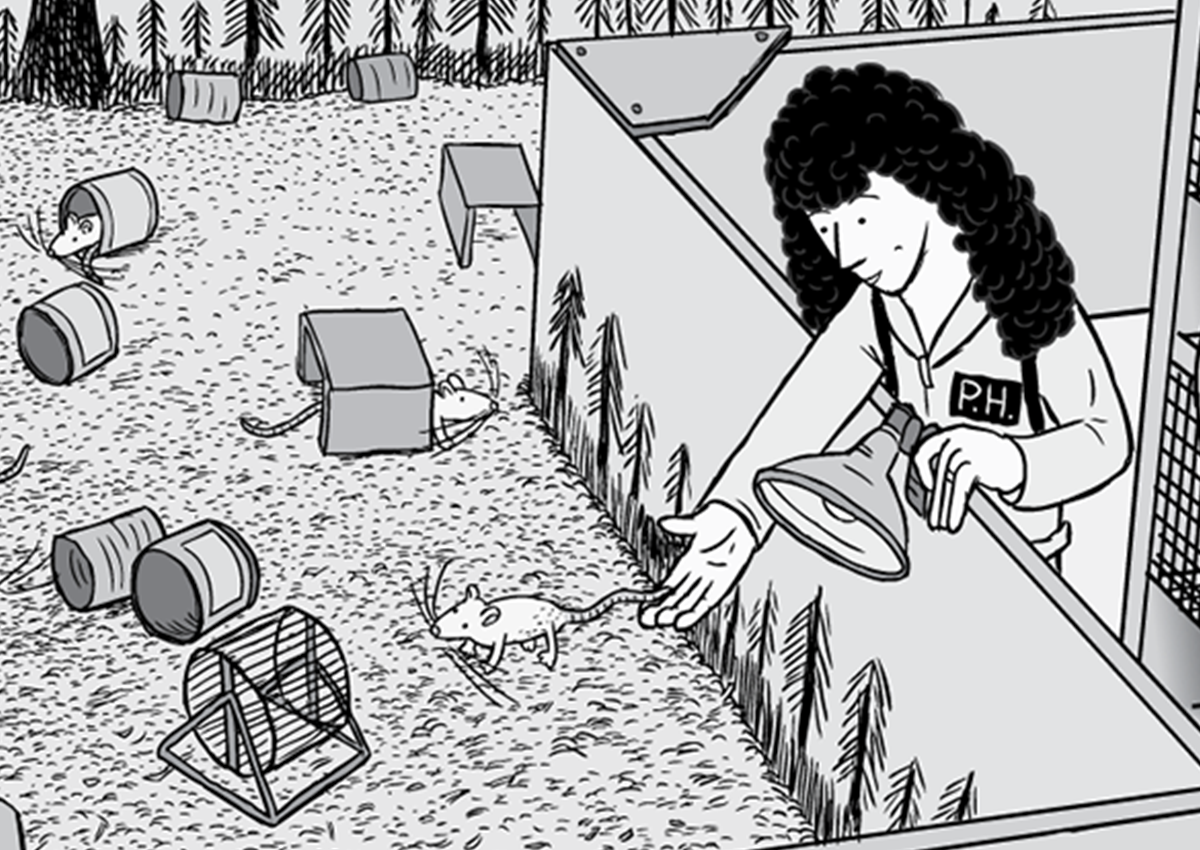 Rat Park